
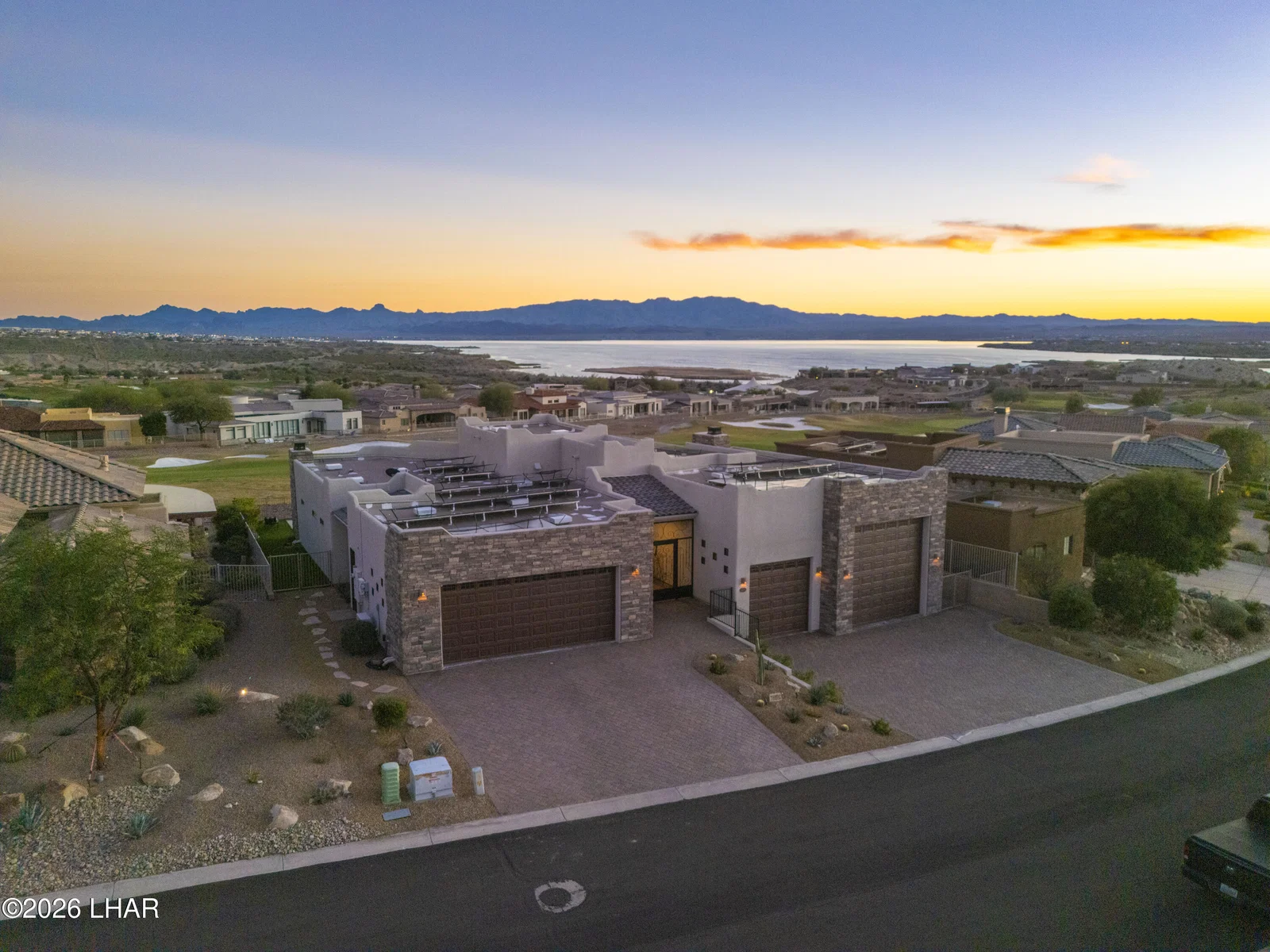
First, Understand The Home’s Exact Position.
A property backing to a fairway is different from one looking over it from a distance. Both can be appealing. The tradeoff is how much contact you want with the activity beyond the backyard.
Compare Three Kinds Of Golf-Area Living.
- Direct frontage: examine where the property ends, where play travels, and how the patio relates to carts and maintenance access.
- A course view: identify what lies between the home and the view. Fences, trees, another lot or changing landscaping may affect the outlook.
- Nearby access: focus on the actual drive to the clubhouse, the home itself, and whether you prefer a more private backyard.
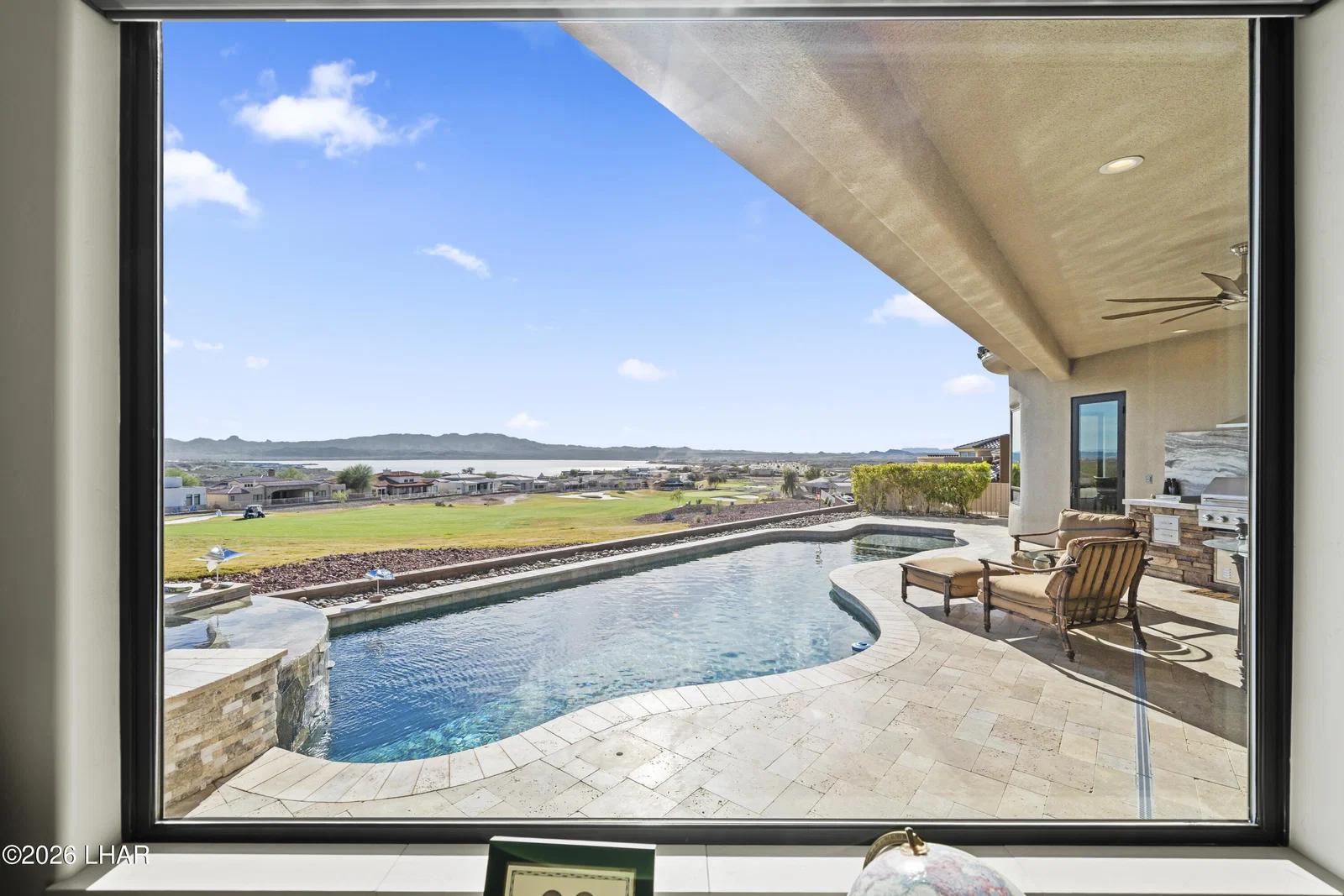
Walk from the main living room to the patio and pool area. Does the view work from those places, or only from the edge of the lot? Repeat the visit when the course is active. A quiet late-evening showing gives you only one part of the picture.
Look At The Likely Direction Of Play.
A home near a tee, a bend in a fairway or a green has a different relationship to the course. Ask the seller about golf balls reaching the property and look for relevant repairs to windows, screens or fencing. For coverage questions, take the specific property and use to your insurance provider.
Bring These Questions To The Showing.
- Where are the tee, green, cart path and maintenance route?
- What is the legal property boundary? Are there recorded easements?
- Is there a documented right of access to the course, or simply proximity?
- Are any claimed view protections actually recorded?
- What do the seller’s disclosures and repair records tell you?
Use the golf-area comparison to choose the settings you want to tour, then ask HavasuLew to help compare the actual home sites.
Separate The Property Rules From The Golf Membership.
The home, its homeowners association (HOA), and the golf operator are not interchangeable. A planned unit development (PUD) or another organized community may have its own documents, shared responsibilities and architectural requirements. The golf course may have a completely separate owner and fee structure.
At The Refuge, the residential association and Iron Wolf Golf & Country Club are separate entities. Buying a home does not by itself establish golf, pool, spa or other club privileges. Obtain current answers from the association and the club for their respective responsibilities.
Read For The Way You Intend To Use The Home.
Rules about rental periods, pets, outside parking, RVs, boats, fences, exterior colors, landscaping and alterations can matter more than the headline dues. Ask for current documents, amendments, financial information and any outstanding or proposed assessments relevant to the purchase.
For a property outside an HOA, still check recorded restrictions and the applicable city or county requirements. “No HOA” does not mean every use or project is permitted.
Measure The Garage And The Approach.
For many Havasu buyers, the home needs to work for a boat, trailer, RV or several vehicles. A large garage in a photograph can still have a low door, shallow usable space, a tight turn or a steep approach.
Use Width × Height × Depth.
Record the clear opening width, the actual door clearance and the usable interior depth. Allow for equipment, steps, cabinets, open vehicle doors and the room needed to move around. Measure the complete rig, including the trailer tongue and any equipment that stays attached.
For an RV garage, a door ten feet or taller is a starting category—not a guarantee of fit. Check your vehicle’s actual height and the route into the bay. A driveway that looks straightforward without a trailer may behave differently when backing in.
Check Side Parking As A Separate Feature.
Measure the gate and usable width, look at slope and surface, and identify the property line. Then review parking and outside-storage rules. Space beside the house is useful only if it fits your equipment and intended use.
Compare RV garage homes on the main site and use the Lake Havasu launch-ramp guide to think through the full boating day.
Inspect The Home Behind The View.
Golf-area properties can range from older homes with substantial updates to newer custom construction. Judge each one by its current condition, documented work and layout. An attractive remodel does not tell you the age or condition of the roof, cooling equipment or underground systems.
Make The Patio Part Of The Inspection.
Look at covered space, orientation and the connection to the indoor living area. Consider afternoon sun, wind exposure, privacy and the surface temperature around the pool. Check drainage toward and away from the house, retaining walls, visible settlement and the transition between the property and the course.
For a pool or spa, review equipment condition, controls, heating, service access and maintenance records. Decide whether the layout works while you are home and whether a service provider can manage it when you are away.
Gather Records Before Relying On An Upgrade.
- Roof and air-conditioning age, repairs and service history.
- Pool equipment, surface work and maintenance records.
- Permits and final approvals for additions or major alterations.
- Drainage, retaining-wall and landscape changes.
- Utility service and past bills for the actual property.
Start with the city’s building-permit information, pool-home resources, and the Lake Havasu summer guide. Have the appropriate inspectors evaluate the property you are considering.
Plan The Weeks You Will Not Be Here.
A winter home needs an away-from-home plan as well as a comfortable place to stay. Think about cooling settings, irrigation, pool service, deliveries, access for service visits and who will check the house after an equipment failure or storm.
Compare a lower-maintenance property with a larger lot or pool based on the work you want to manage. Association maintenance may simplify particular tasks, but confirm exactly what is included and where the owner’s responsibility begins.
Keep Rental Plans Separate From Assumptions.
A seasonal stay of several months and a short vacation rental are different uses. Check the intended length and frequency against current governing documents and the actual jurisdiction’s requirements before treating rental income as part of the plan. Prior rental use is not a substitute for current permission.
If several people will use the home, think through guest parking, sleeping arrangements, access, trash service and how the home will be checked between stays. Ask for the documents early enough to resolve a mismatch before you become committed to the property.
Discuss your seasonal or full-time plans with HavasuLew, or compare everyday life in Lake Havasu.
Build Two Budgets: The Home And The Golf.
Keep required ownership expenses separate from the golf and club experiences you choose to use. That makes it easier to compare a course-front property with a nearby home that offers a different combination of space, upkeep and access.
The Home
Purchase financing and closing costs, property taxes, insurance, actual association charges, utilities, landscaping, pool care, routine service and a repair reserve.
The Golf
Current green fees or a membership option, carts, practice, lessons, guest play and any other club amenities you expect to use. Check what each option includes.
Use actual quotes and records whenever possible. Do not compare a home’s current expenses with a guessed club membership or assume that a view alone guarantees a resale premium.
The buyer closing-cost and payment calculator can help you explore purchase assumptions. For the property itself, ask HavasuLew to compare the relevant homes and recent evidence.
Confirm The Parcel, The Jurisdiction And The Permissions.
“Golf course,” “Residential Estates” and a mailing address describe different things. Start with the exact parcel and determine which jurisdiction controls it. Do not assume that every home in the Lake Havasu area follows the city’s zoning rules.
For a city property, Planning & Zoning is the route to current zoning and land-use questions. The building-permit office addresses construction and permit requirements. For a parcel outside city jurisdiction, obtain the appropriate county records and requirements instead.
If You Want To Add A Garage, Pool Or Second Story.
Check the current zoning, recorded restrictions, easements, usable lot area and any association design review. Obtain project-specific guidance before assuming that a neighbor’s improvement can be repeated on your lot. Utilities such as natural gas must be confirmed for the actual address.
For vacant land, compare access, grade, drainage and utility connections along with the view. Explore golf-course lots on the main site and ask HavasuLew which records to gather for a specific lot.
Take It With You
Your Golf-Home Tour Checklist
Check items as you go. Your selections stay on this page until you leave or reload.